


*This post summarizes the paper titled ‘A Literature Review of Virtual Reality Exergames for Older Adults: Enhancing Physical, Cognitive, and Social Health’. Click here to read: DOI
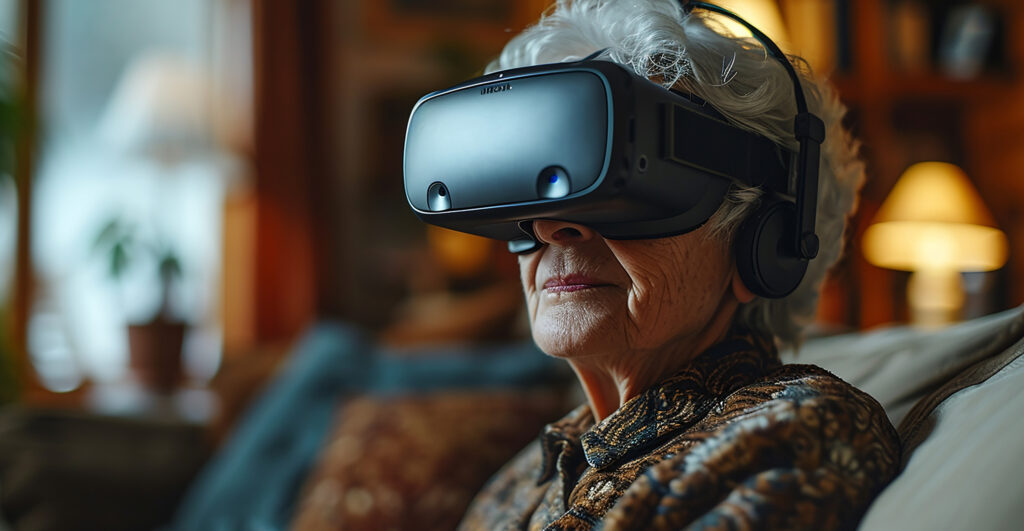
The paper examines how virtual reality (VR) games can help older adults stay healthy. It highlights that VR games can improve physical abilities like balance, strength, and endurance, making it easier for older adults to move around and reduce the risk of falls. These games also boost brain health by improving memory, focus, and decision-making skills. On top of that, social VR games help reduce loneliness and encourage better social connections.
VR games are exciting and provide real-time feedback, which motivates older adults to keep playing and stay active. Games that involve teamwork are especially engaging and enjoyable. However, there are some challenges. Many older adults experience dizziness or difficulty using the technology at first. Also, most VR games aren’t designed to match the unique abilities or needs of older users. The high cost and complicated setup of VR equipment also make it hard for everyone to access.
The article suggests creating VR games that are easier to use and tailored to older adults’ abilities. It also encourages using VR for home exercises and in community care programs. Long-term studies are needed to see how these games can help over time. Overall, VR has the potential to be a fun and effective way for older adults to stay physically active, keep their minds sharp, and feel more connected to others.
In conclusion, VR games could be a game-changer for helping older adults live healthier and happier lives, but there’s still work to be done. Making the technology more affordable, easier to use, and better suited to older adults will be key. With the right improvements, VR can become a practical tool for supporting healthy aging in the years to come.